Can AI Truly Create? Or Only Copy?
AI does not invent from nothing; it recombines patterns. The fastest way to turn that recombination into real creativity is to use the AI Creativity Activation Method, a structured process that transforms generic outputs into original ideas.
Bryan Cassady
2/5/20262 min read


AI does not invent from nothing. It recombines patterns. The fastest way to turn that recombination into real creativity is to use the AI Creativity Activation Method: a structured process that transforms outputs into original ideas instead of passive imitations.
Can AI Truly Create? Or Only Copy?
The AI Creativity Activation Method
The Core Problem
The dominant belief is that creativity means producing something completely new out of thin air.
AI challenges this assumption. It paints like Picasso, writes like Hemingway, generates new pieces daily: all by learning patterns from the past.
According to the Bowden creativity model, creativity is defined as novel, surprising, and valuable, and research shows that 97% of patents are recombination-based, not pure invention. However, they overlook one critical factor: without guided prompting, AI recombines safely, not creatively.
The gap isn't AI capability: it’s how humans use it.
The AI Creativity Activation Method
To unlock true creative output, we apply The AI Creativity Activation Method, built on the logic behind SPARKS but framed for broad SEO reach. It transforms AI from a copy machine into a creativity partner.
Phase 1 — Generate Diverse Raw Material
Creativity begins with quantity. Request multiple distinct ideas, not one answer.
Different perspectives = more raw clay to sculpt.
Phase 2 — Reframe, Distort, and Break Patterns
Ask AI to contradict itself, flip assumptions, or apply constraints.
Creativity emerges when the model is pushed outside predictable paths.
At this stage, SPARKS becomes the execution engine:
Speak it Out clearly define the intent
Pivot by challenging the model
Ask for Range request semantic diversity
Reframe context, audience, emotion, viewpoint
Keep Going through iterative rounds
Stop & Think select the best for development
SPARKS operationalizes creativity, activation is the method, SPARKS is how you run it.
Phase 3 — Iterate Using SPARKS
Comparative Analysis: Standard vs Creativity Activation
Real-World Application
In a workshop exercise, two teams were given the same AI prompt.
Team A asked for creative product ideas and accepted the first list.
Team B applied the Creativity Activation Method:
Requested 10 wildly different concepts
Reframed prompts using counter-rules
Combined outputs using SPARKS
Iterated fast until one idea surprised them
Team B generated novel, market-relevant ideas in 12 minutes, ideas the human group alone never reached.
Same model. Different method.
Creativity came from process, not output.
Frequently asked questions
So is AI actually creative?
Only when guided. It recombines — humans direct novelty.
How do I stop AI from giving generic answers?
Ask for range, then reframe. One answer = imitation. Many answers = creativity.
Does this replace human creativity?
No. AI extends creativity. Humans choose, judge, and shape meaning.
About Bryan
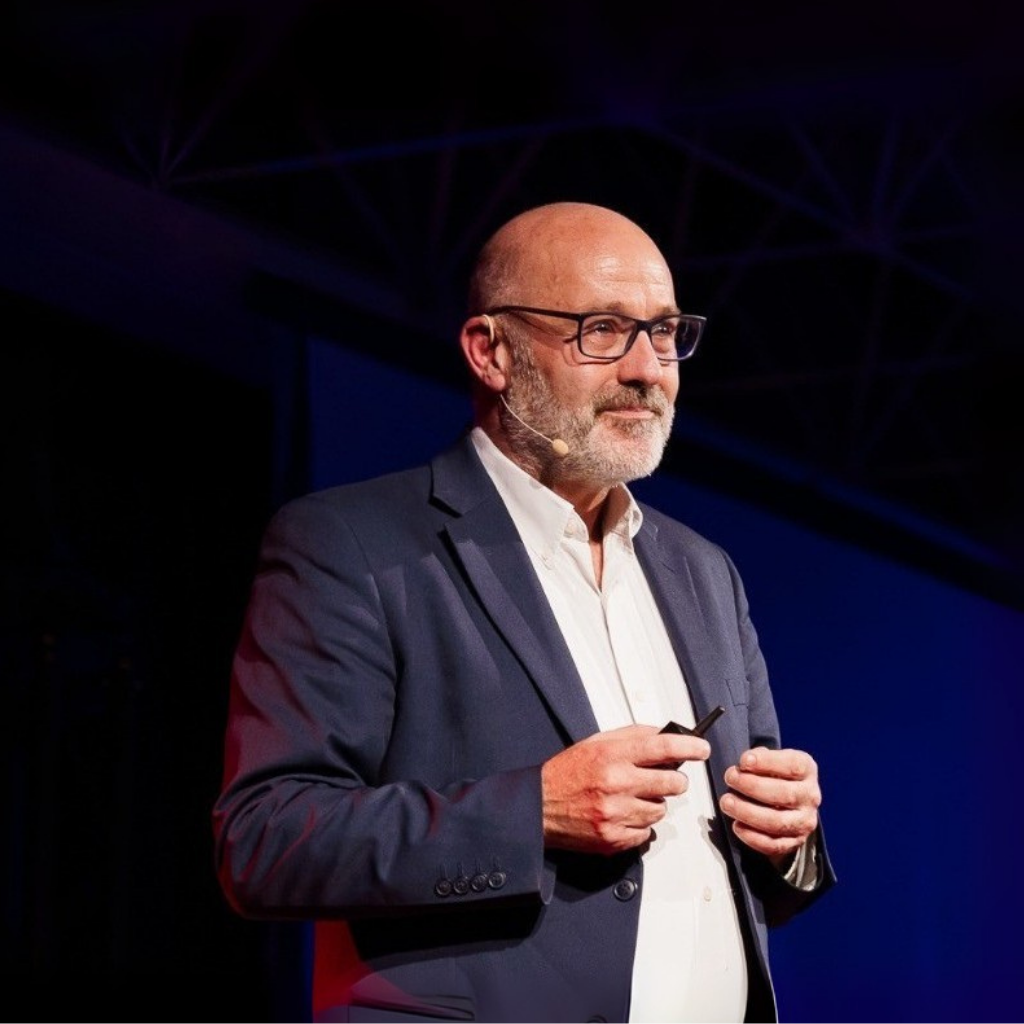
Prof. Bryan Cassady is a top AI keynote speaker who helps organizations turn AI hype into measurable impact. Author of The Generative Organization and CYCLES, he specializes in Humans+AI frameworks. Bryan delivers high-energy keynotes and workshops augmented by 356 proprietary AI tools, helping teams transform learning into lasting habits and execute concrete AI solutions in just 90 days.
Next steps
This method is part of our keynote "Make AI Your Muse," where teams learn structured creativity techniques that reliably turn models into idea partners : not answer machines.
To see more information click here:
Bryan Cassady
+32 475 86 07 57
bryanc@bryancassady.com
© 2025. bryancassady.com. All rights reserved.
Meet with Bryan for a 1-1:
Bryan Cassady is an AI keynote speaker, author of CYCLES, and founder of GenOrg, helping enterprises turn AI hype into measurable execution.